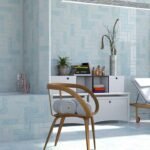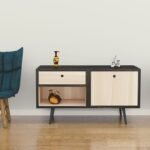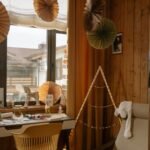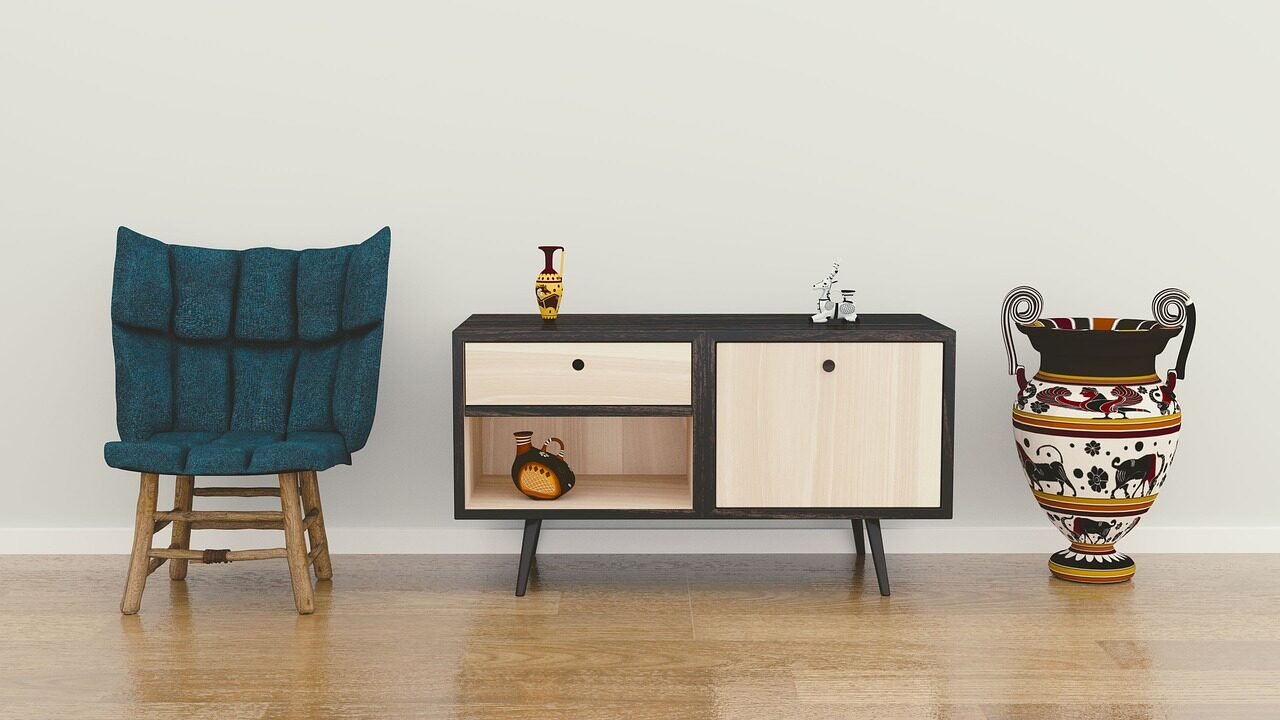
Minimalist interior design is more than just a trend—it’s a lifestyle focused on simplicity, functionality, and intentional living. In a world filled with clutter and distractions, minimalist design helps create a space that feels calm, organized, and visually pleasing.
In this SEO-friendly guide, you’ll learn everything about minimalist interior design, including principles, ideas, tips, and mistakes to avoid.
What is Minimalist Interior Design?
Minimalist interior design is a style that emphasizes:
- Clean lines
- Neutral color palettes
- Functional furniture
- Clutter-free spaces
The concept is inspired by the idea of “less is more”, where every element in your home has a purpose.
Key Principles of Minimalist Design
1. Simplicity First
Every design decision should focus on simplicity and clarity.
2. Functionality Over Decoration
Choose items that serve a purpose rather than just filling space.
3. Decluttered Spaces
Minimalism requires removing unnecessary items and keeping only essentials.
4. Quality Over Quantity
Invest in fewer but high-quality pieces.
5. Clean Lines and Open Spaces
Furniture and layouts should be simple, sleek, and well-organized.
Minimalist Color Palette
Colors play a crucial role in minimalist interiors.
Popular Color Choices:
- White
- Beige
- Grey
- Soft pastels
Tip:
Stick to 2–3 colors maximum to maintain a clean and cohesive look.
Minimalist Furniture Ideas
Furniture in minimalist homes should be both functional and stylish.
Key Features:
- Simple designs with clean lines
- Neutral tones
- Multi-functional pieces
Examples:
- Low-profile sofas
- Sleek coffee tables
- Hidden storage furniture
How to Declutter Your Home
Decluttering is the foundation of minimalism.
Steps to Follow:
- Remove items you don’t use
- Organize essentials
- Use smart storage solutions
- Avoid impulse buying
Lighting in Minimalist Design
Lighting enhances the simplicity and openness of your space.
Best Practices:
- Use natural light as much as possible
- Choose simple light fixtures
- Avoid overly decorative lighting
Minimalist Decor Ideas
Minimalism doesn’t mean no decoration—it means intentional decoration.
Ideas:
- One statement artwork
- Indoor plants
- Simple rugs
- Neutral curtains
Storage Solutions for Minimalist Homes
Smart storage keeps your home clutter-free.
Options:
- Built-in cabinets
- Under-bed storage
- Wall-mounted shelves
Minimalist Design for Small Homes
Minimalism works exceptionally well in small spaces.
Tips:
- Use multi-functional furniture
- Keep open layouts
- Use mirrors to create space illusion
- Avoid overcrowding
Common Mistakes to Avoid
1. Making the Space Too Empty
Minimalism is not about emptiness—it’s about balance.
2. Ignoring Comfort
A minimalist home should still feel warm and inviting.
3. Using Too Many Colors
Stick to a limited palette.
4. Buying Cheap Furniture
Low-quality items ruin the aesthetic over time.
Benefits of Minimalist Interior Design
- Reduces stress and clutter
- Makes cleaning easier
- Enhances focus and productivity
- Creates a timeless and elegant look
Minimalist Design Room-by-Room
Living Room:
- Neutral sofa
- Minimal décor
- Clean layout
Bedroom:
- Simple bed design
- Limited accessories
- Soft lighting
Kitchen:
- Organized cabinets
- Clear countertops
- Functional layout
Pro Tips for a Perfect Minimalist Home
- Follow the “one in, one out” rule
- Keep surfaces clean and empty
- Focus on natural materials
- Add texture for depth (wood, fabric, etc.)
Conclusion
Minimalist interior design is about creating a home that is simple, functional, and peaceful. By focusing on essentials and eliminating excess, you can design a space that not only looks beautiful but also improves your overall lifestyle.
Whether you’re designing a small apartment or a large house, minimalism helps you achieve a clean, modern, and timeless look.